
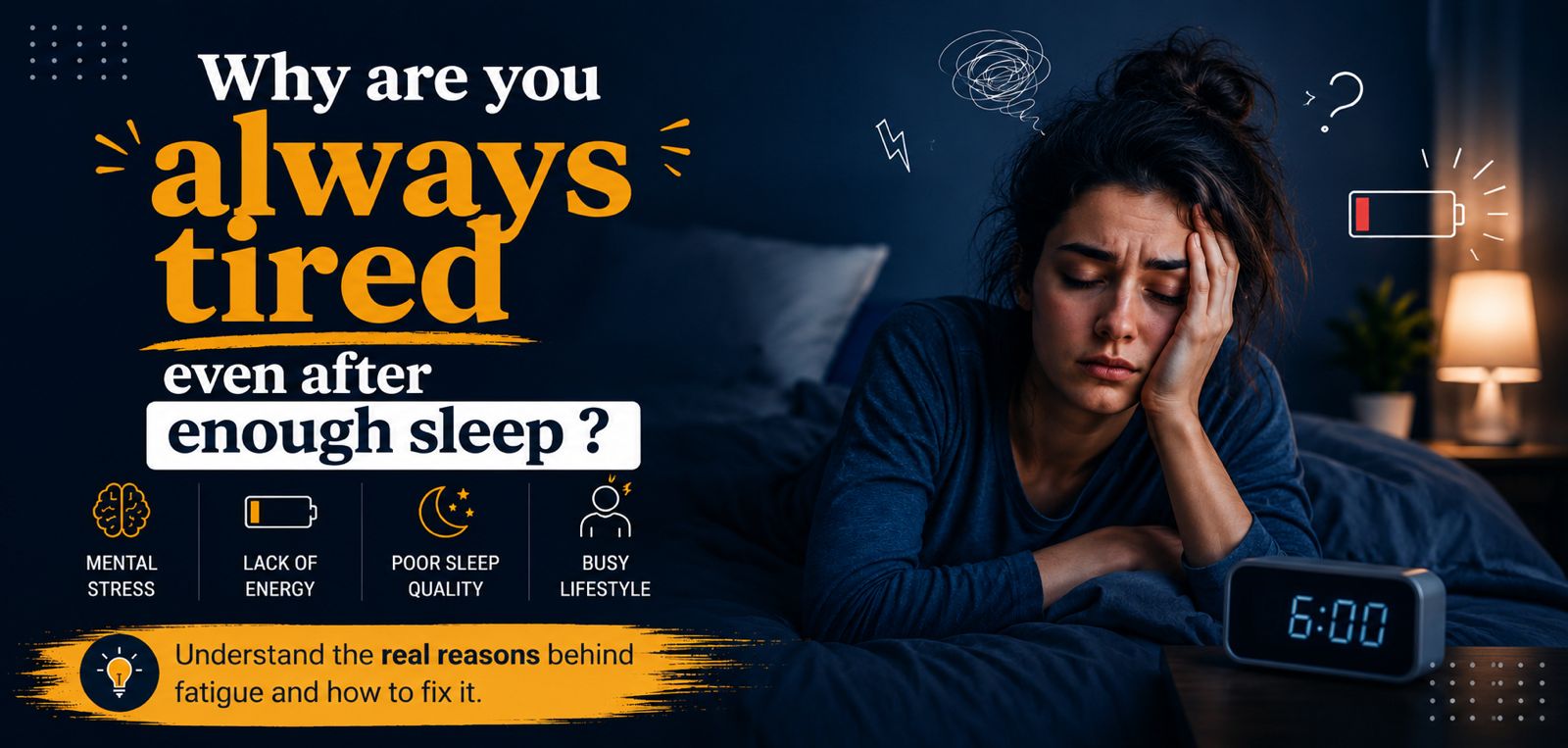
Have you ever woken up and felt tired again in a few hours? What seemed like a full night’s sleep (6 to 8 hours) and still feels irritated and very low at energy? This is called Daily Fatigue and you are not alone to experience this. More than 50% Indians are facing this but unable to understand the cause. Many of us expect that sleeping longer will reduce restlessness, but someone who is tired, even on adequate sleep, often indicates a deeper physical, intellectual, or lifestyle-related cause .
Feeling worn out all the time isn’t honestly about laziness or lack of motivation. In many cases, it is the body signaling that something is out of balance. From stress due to nutritional deficiencies to underlying medical conditions, there are many triggers that can keep our power levels even lower, even after sufficient required rest .
Understanding basic motivation is the first step to increasing our health and regaining our energy.
What exactly is fatigue?
Fatigue is mostly known as low on energy, continuous tiredness, brain fog etc. In general - 6 to 8 hours of sleep is enough for an individual. It reset our energy levels and you wake up with high energy. Fatigue, on the other hand, is a constant loss of electricity that affects concentration, mood, productivity, and general well-being. It could be because of sleep disorder, any deficiency or may be multiple thoughts running through the mind.
You can experience:
-
Difficulty getting out of bed
-
Brain fog or stuck on set of thoughts or set of incidents
-
Muscle weak spots
-
Low motivation
-
Loop of negative thoughts
Self Doubt -
Frequency of headaches
-
Feeling tired throughout the day
If these symptoms persist for weeks or months, our body will alert you to an underlying problem.
Common Reasons Why You Feel Tired Even After Sleeping
1. Poor Sleep Quality
Sleeping for 7-8 hours does not indicate that the body is now in restorative sleep. Even after a fantastic time on the mattress, a bad night’s sleep pattern can leave you feeling exhausted.
The common causes are:
-
Frequent midnight awakenings
-
Too much screen time before bed
-
Irregular sleep schedule
-
Noise or light disturbance
-
Stress-related sleep disorders
Our body goes through certain sleep phases, which include deep sleep and REM (Rapid Eye Movement) sleep. Quality sleep helps our body and mind recover, repair, and recharge. Interrupted or poor sleep can leave you feeling tired, low on energy, and less refreshed the next day.
Hint our sleep quality may be poor
-
You wake up at night in some cases
-
You feel anxious every morning
-
You are very fond of caffeine.
-
You snore in our sleep
-
You struggle to stay conscious all day
2. Sleep apnea: The hidden cause of fatigue
Lack of sleep is one of the incorrect causes of chronic fatigue. This condition causes repeated snoring during sleep, reduces the oxygen supply to the body and leads to painful deep sleep cycles
People with sleep apnea often don’t realize that they repeatedly wake up at a certain time during the night.
Symptoms of Sleep Apnea
-
Restlessness during sleep
-
Headache in the morning
-
Dry mouth after waking up
-
Difficulty concentrating
-
Irritability or mood changes
Sleep apnea is commonly seen in people who are overweight, smoke or have high blood pressure. However, it can affect anyone and should not be ignored.
If left untreated, sleep apnea can also increase our chances of cardiovascular disease, diabetes and stroke.
3. Iron deficiency and anemia
Iron plays an important role in transporting oxygen within the body through blood. Iron deficiency means anemia can make you feel extremely tired and low on energy, even after getting proper sleep.
This is very commonly seen in -
-
Women with heavy menstrual cycles
-
Pregnant females
Iron Deficiency Symptoms
-
Weakness
-
Pale skin
-
Shortness of breath
-
Rapid heartbeat
-
Cold arms and legs
Appropriate blood tests may also reveal low hemoglobin or iron status.
4. Vitamin deficiency
our body wants vital nutrients and minerals to provide electric pleasure. A lack of nutrients like vitamin B12, vitamin D and magnesium can make you feel constantly withdrawn.
Vitamin B12 deficiency
Vitamin B12 promotes neuronal specialization and the production of magenta and crimson red blood cells. Low nutrients or deficiency can also be caused by:
-
Fatigue
-
Tingling in fingers and toes
-
Memory issues
-
Mood Adjustment
Vitamin D deficiency
Low vitamin D levels are becoming increasingly common due to restrictions on indoor exposure and sun exposure.
Signs and symptoms include:
-
Fatigue
-
Muscle pain
-
Weak immune system
-
Self doubt
5. Stress and Intellectual Fatigue
The mental effort can be as painful as the physical effort. Chronic stress puts the body into typical “do or die” mode, increasing cortisol levels and disrupting the Internal body clock.
Over time, emotional burnout can lead to chronic fatigue.
Symptoms of Stress-Related Fatigue
-
Hard to be entertained
-
Anxiety or overthinking
-
Emotional Labor
-
Loop of negative thoughts
-
Lack of motivation
-
Sleep disorders
Mental fitness conditions, including stress and depression are strongly associated with chronic fatigue.
Despite being tired or being depressed, it may look like:
-
Loses interest in activity
-
Too much or too little sleep
-
Consistently in loop of negative thoughts
-
Less attentive to others
Getting emotional support and professional supervision can make a primary difference
6. Thyroid
The thyroid regulates metabolism and energy production. An underactive thyroid, also known as hypothyroidism, slows down the ability of our body and can cause you to wear out.
Low Thyroid Symptoms
-
Weight gain/loose
-
Dry skin
-
Hair becomes thin
-
Depression
-
Susceptibility to anemia
Thyroid problems are detected through blood tests and can be managed effectively through a preventive step towards this.
7. Dehydration
Even mild dehydration can affect our electrical level, awareness, and popular body.
Our body depends on water for:
-
Blood Pressure
-
Oxygen Distribution
-
Temperature regulation
-
Nutrient distribution
Symptoms of dehydration
-
Fatigue
-
Dry mouth
-
Headaches
-
Swimming
-
Dark yellow urine
Many of us certainly do not drink enough water at some indeterminate time and that causes a series of alarming events.
8. Poor weight loss plan and blood sugar fluctuations
our dietary habits have an immediate effect down to our electrolyte levels.
Especially avoiding processed additives, sugary snacks and meals can target blood sugar spikes with the use of accidents that make you worn out and sluggish.
Foods That May Increase Nausea
-
Sugary liquid
-
Fast Food
-
Refined carbohydrates
-
Too much caffeine
-
Drinking alcohol
Energy-rich foods
-
Whole grains
-
Fresh fruits and vegetables
-
Lean protein
-
Eggs and seeds
-
Healthy fats
A balanced meal plan allows you to maintain stable blood sugar and steady energy.
When should we see a doctor?
Occasional fatigue is a common occurrence, preferably against intermittent disturbances. But if you’ve always been disconnected, you must visit a doctor.
You should get visit doctor if:
-
Working hours are more than 40 hours per week
-
Sudden weight loss/gain
-
Frequent chest pain or shortness of breath
-
Dizziness is mostly there
-
You feel too much emotional for no reason
-
Self doubt or loop of negative thought is not leaving you
Common tests include:
-
Complete blood count (CBC)
-
Thyroid (T3, T4, TSH)
-
Vitamin D, B12
-
Iron Studies
-
Blood sugar level
-
Liver Function Test
-
Kidney Function Test
How to Improve Energy Levels Naturally
Feeling tired all the time is not always because of a busy schedule. Poor sleep, stress, unhealthy eating habits, lack of physical activity, or hidden health issues can slowly drain your energy levels. The good part is that small lifestyle improvements can make a noticeable difference.
Prioritize Quality Sleep
Good sleep is one of the biggest factors behind healthy energy levels. Even a full night’s sleep may not help if the quality of sleep is poor.
Simple habits that can improve sleep quality:
-
Try to sleep and wake up at the same time every day
-
Avoid excessive screen time before bedtime
-
Keep your bedroom quiet, dark, and comfortable
-
Reduce caffeine intake in the evening
-
Avoid heavy meals late at night
A healthy sleep routine helps your body recover, refresh, and stay active throughout the day.
Stay Physically Active
Regular physical activity improves blood circulation, strengthens the body, and naturally boosts energy levels.
Easy ways to stay active:
-
Daily walking
-
Cycling
-
Yoga or stretching
-
Light workouts or swimming
Even 20–30 minutes of movement every day can help reduce tiredness, improve sleep quality, and support mental well-being.
Manage Stress Effectively
Long-term stress can leave you feeling mentally and physically exhausted. Managing stress properly is important for maintaining overall energy and emotional balance.
Helpful stress-management habits:
-
Meditation or mindfulness
-
Deep breathing exercises
-
Journaling your thoughts
-
Spending time outdoors
-
Talking to supportive friends, family, or professionals
Taking short breaks during the day can also help improve focus and mental freshness.
Improve Your Diet
The food you eat directly affects how energetic or tired you feel during the day.
Include more energy-supporting foods such as:
-
Protein-rich meals
-
Iron-rich foods like spinach, beans, and lentils
-
Healthy fats from nuts and seeds
-
Fresh fruits and green vegetables
-
Plenty of water to stay hydrated
Avoid depending too much on caffeine, sugary snacks, or processed foods for temporary energy boosts.
Get Health Checkups in regular intervals
Sometimes constant fatigue may be linked to underlying health conditions or nutritional deficiencies that often go unnoticed.
Regular health checkups can help detect:
-
Vitamin deficiencies
-
Thyroid imbalance
-
Diabetes risk
-
Anemia
-
Hormonal issues
Early detection and proper treatment can significantly improve overall health and energy levels.
Can Chronic Fatigue Affect Mental and Physical Health?
Yes. Ongoing fatigue can impact almost every part of daily life. It can affect productivity, mood, focus, physical strength, and emotional well-being.
Ignoring constant tiredness may lead to:
-
Reduced work performance
-
Mood changes and irritability
-
Weak immunity
-
Poor concentration
-
Reduced physical fitness
-
Increased stress and burnout
Listening to your body and addressing fatigue early is important for maintaining long-term health and a better quality of life.
Final thoughts
Feeling tired all the time even after sleeping is not something you should absolutely ignore. While lack of sleep is a viable cause, many underlying conditioning, diet, hormonal and emotional factors can contribute to persistent fatigue.
The good news is that once basic motivation is established, persistent fatigue is often possible. Improving sleep habits, maintaining a balanced weight plan, staying lively, managing stress - all play an important role in restoring energy .
If fatigue has been a consistent part of our lifestyle, consider it as a signal and go for a full body checkup without further delay and try to understand thyroid, vitamin deficiency, iron profile, lipid profile and cbc with esr. To understand your report in your language - Download the Diagnomitra app where the report saarthi feature will help you along with diet suggestions as per report. With Diagnomitra - Search, Compare, Book & Save upto 60%.